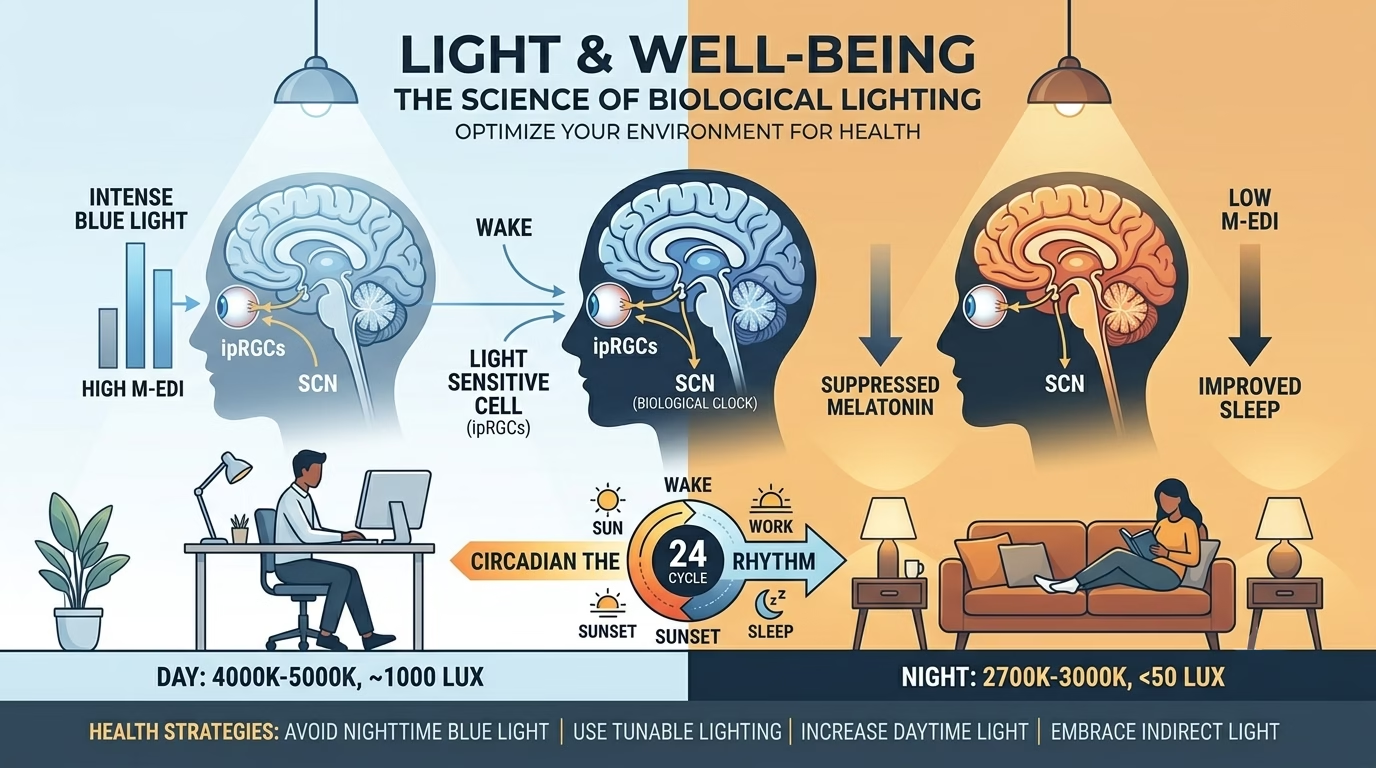
In modern architecture and biomedical research, light has evolved from a simple functional tool to a bio-active stimulus. Because we spend approximately 90% of our time indoors, artificial lighting acts as a critical regulator of our hormone secretion, sleep architecture, and emotional stability.
1. The Core Mechanism: How Light Sets the Internal Clock
The human body operates on a 24-hour cycle known as the circadian rhythm, governed by the Suprachiasmatic Nucleus (SCN) in the hypothalamus.
- The Retinal Sensor: Beyond the rods and cones responsible for vision, the retina contains intrinsically photosensitive Retinal Ganglion Cells (ipRGCs). These cells are particularly sensitive to short-wavelength light—specifically blue light around 480nm.
- The Melatonin Suppression Curve: Research shows that exposure to high-intensity cool-toned light at night suppresses the secretion of melatonin (the “sleep hormone”). Clinical studies consistently demonstrate a dose-dependent relationship between light intensity and melatonin suppression, which directly correlates with delayed sleep onset and disrupted sleep quality.
2. Evidence-Based Impacts on Human Health
- Circadian Rhythm: Constant exposure to Artificial Light at Night (ALAN) disrupts gene expression and shifts the sleep-wake cycle. Chronic disruption is scientifically linked to metabolic disorders, weakened immune responses, and sleep architecture fragmentation.
- Psychological Well-being: Studies in environmental psychology indicate that optimizing indoor lighting—specifically by filtering out excess blue light in clinical or high-stress environments—significantly reduces agitation and improves mood. This is critical for combating conditions like Seasonal Affective Disorder (SAD) and general anxiety.
- Visual Ergonomics: Lighting quality is measured by metrics such as Unified Glare Rating (UGR) and Color Rendering Index (CRI). Poor lighting—characterized by high flicker rates, inadequate illuminance, or high glare—forces the brain and eye muscles to work harder, leading to digital eye strain, chronic headaches, and increased rates of myopia in developing eyes.
3. Advanced Metrics for Healthy Lighting
To quantify the biological impact of light, researchers and engineers utilize specific standards:
- M-EDI (Melanopic Equivalent Daylight Illuminance): This is the current gold standard for evaluating light’s impact on human circadian rhythms. It quantifies how much a light source stimulates the ipRGCs compared to natural daylight.
- Spectral Power Distribution (SPD): This determines the “biological activity” of a light source. High-energy short wavelengths (blue-rich) are excellent for daytime alertness but detrimental to evening recovery.
- UGR (Unified Glare Rating): A metric for visual comfort. A UGR below 19 is generally recommended for professional and residential environments to prevent the stress response associated with direct glare.
4. Strategies for a Circadian-Friendly Environment
To transition from mere “functional lighting” to “human-centric lighting,” consider the following evidence-based approaches:
- Embrace Dynamic Contrast: Follow a “bright day, dim night” rhythm. During the day, aim for higher illuminance (ideally reaching 1000 lux) to boost alertness. As evening approaches, reduce intensity to below 50 lux and shift towards warmer color temperatures (below 3000K).
- Mitigate Blue Light Exposure: Avoid high-color-temperature sources (above 5000K) two hours before bedtime. Utilizing “Tunable White” lighting systems allows for a seamless transition from invigorating cool light to soothing warm light.
- Prioritize Indirect Lighting: Use luminaires that feature diffusers or utilize indirect light (bouncing light off ceilings and walls) to eliminate direct glare and reduce the burden on your visual system.
By understanding these mechanisms, you can transform your personal environment into a tool for better health. Beyond just seeing, lighting is about how your body feels and functions.
Lighting is far more than a simple visual utility; it is a fundamental catalyst for how your body feels, functions, and recovers. When you curate your space with thoughtfully designed, high-quality bamboo lighting fixtures, you are not merely illuminating a room—you are orchestrating an atmosphere that harmonizes with your circadian rhythms.